

Uncover the Charm of Inujima: The Art Island That Captures the Spirit of Setouchi
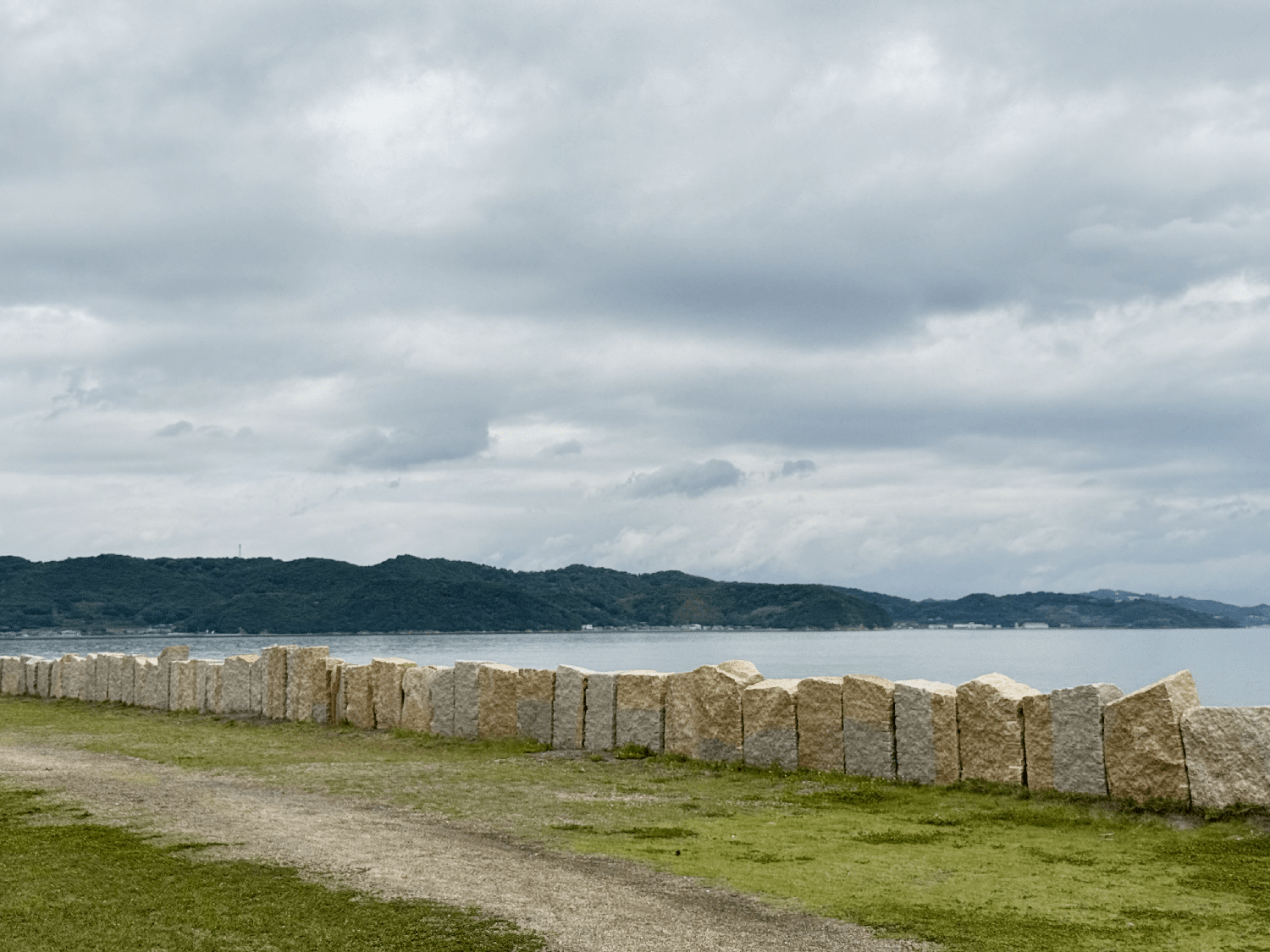
Don’t Sleep on Inujima Art Island
Among all the islands I visited during the Setouchi Triennale, Inujima is by far my favorite. If you're seeking an authentic, raw, and quiet art island experience, Inujima should not be missed.
Inujima feels like the art island I envisioned when first hearing about the Setouchi Triennale. It’s serene, unpretentious, and has a charming small-town vibe. The island is perfect for exploring on foot, making it an ideal day-trip destination. Its tranquil atmosphere, combined with unique art installations, creates an unforgettable experience.
Unlike Naoshima, which boasts multiple iconic museums designed by renowned architects like Tadao Ando, Inujima has just one museum: the Seirensho Museum of Art. The rest of the art experience on this island is made up of the art houses and on-site sculptural installations.
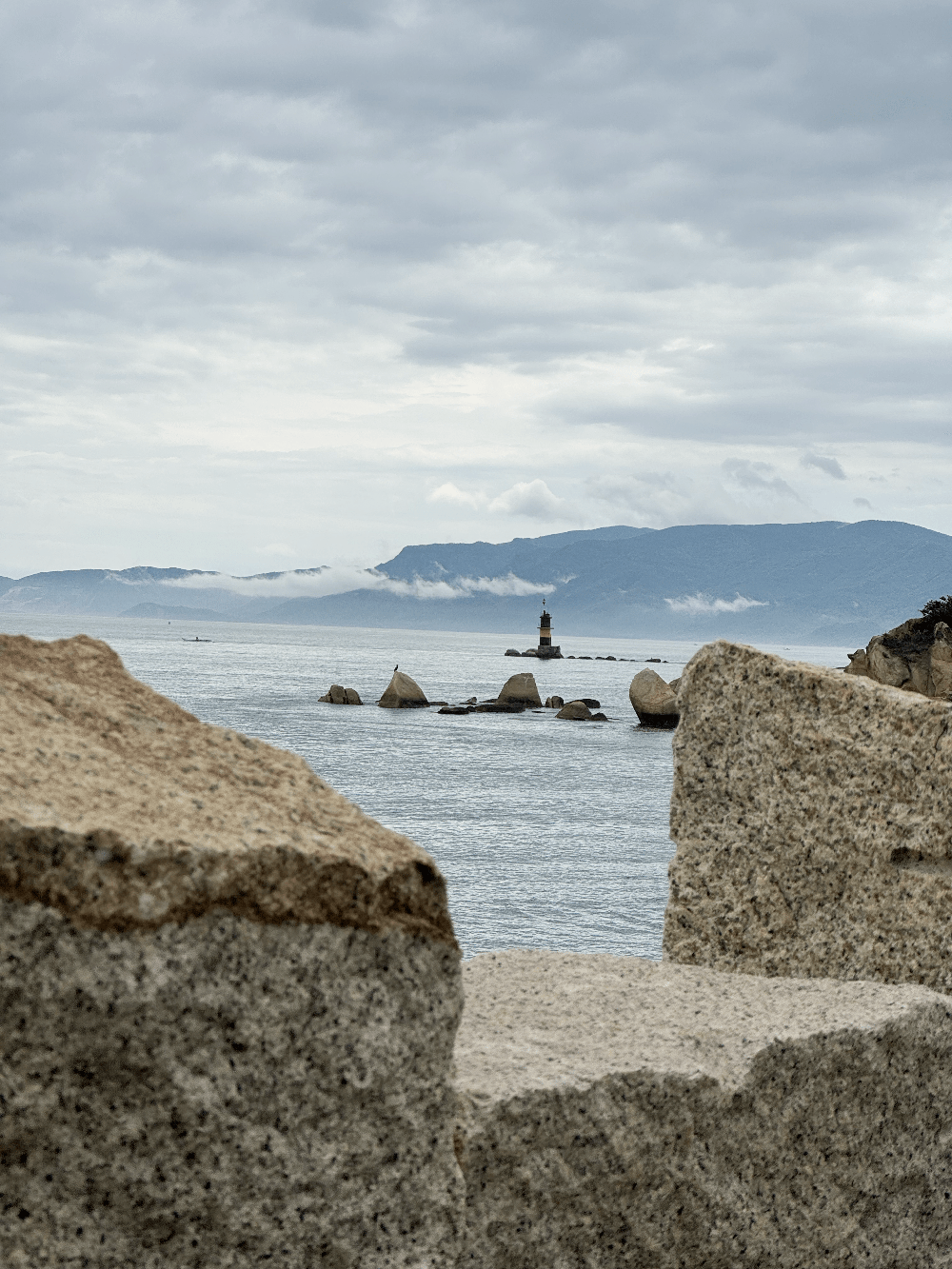
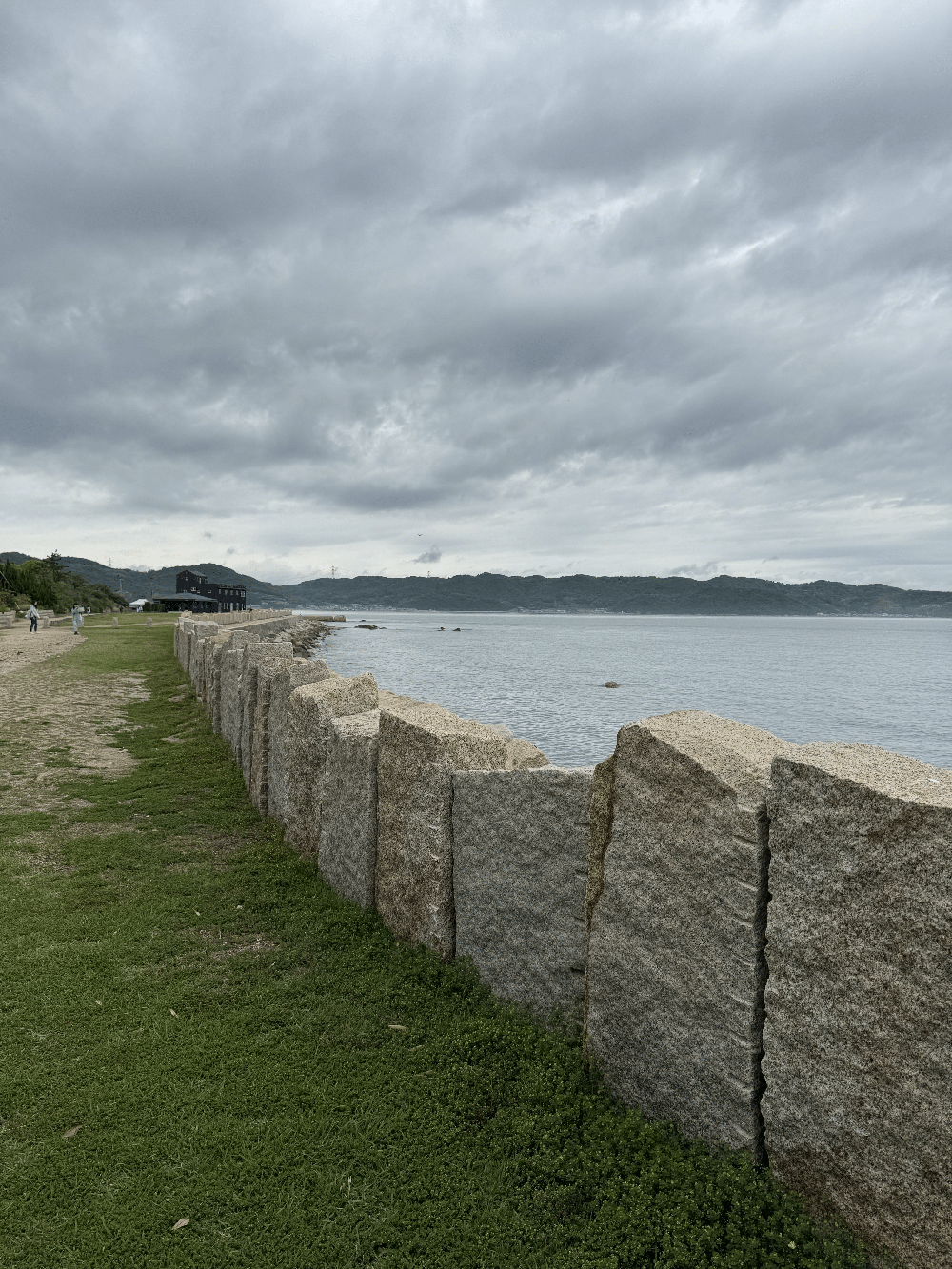
Overall, the island provides a good balance of nature walks, sea village ambience, and art and is totally manageable as a full day trip.
For those wanting to extend their visit, Inujima offers comfortable options, including a guesthouse and a camping site. Staying overnight allows you to immerse yourself in the island’s peaceful mornings and starry nights, far from the bustling crowds.
Food options are quite limited, and opening hours are irregular, similar to Teshima. However, there is a large community building complex with a food court, complete with a greenhouse and open garden tended by the locals. This complex also holds workshops or classes for the local visitors, organised by the locals/villagers. Most of these are locals, as there is not much information available for foreign tourists, as these are not actually part of the Triennale events.
The Seirensho Museum of Art
Located in a renovated copper mine factory by the water, this museum preserves much of the historic architecture, including chimneys and underground tunnels, creating a dramatic and immersive entrance experience. While the building itself is not large, the museum complex, including its outdoor spaces, actually occupies a significant portion of the island, so expect to spend at least an hour or 1.5 hours here.
Designed by Architect Hiroshi Sambuichi, in collaboration with artist Yukinori Yanagi, the museum is designed to use the original building structures, combined with the island’s natural conditions and energy, to create an architecture that changes and “grows” with the island over time.
The artist, Yukinori Yanagi, is a prominent figure in the shaping of Inujima Island as one of Setouchi’s art sites.
From the small ferry port, the tall old chimneys of the museum are highly visible; some have darkened over time, while others are green, covered by moss.
Personally, the museum experience began at the ferry station. The small path from the ferry port leading to the museum entrance is an experience in itself. As visitors walked along the stone-lined pathways by the water, the remnants of the old copper factory came into view: maze-like brick walls stained by time and nature, adorned with moss and wild greenery. Occasionally, birds perch atop the bricks, overlooking the water.
Beyond the factory ruins stand the remaining tall chimneys, evoking a sense of industrial history, the new museum facade not very obvious. A small sign guides visitors to the museum’s entrance.
The Tunnel: an immersive sound and light experience.
Once inside, visitors are greeted by darkness and an ambient hum, transforming the old tunnel into an art piece itself. Carefully placed red and orange lights and wall markers gently guide visitors forward. As you emerge from the tunnel, a burst of warm light greets you, reflected through a window above, creating a mesmerizing transition from darkness to illumination.
The interior is warm, with a temperature around 27°C, likely intensified by the architecture. The first room features a haunting installation of an old house or its remnants, suspended above a large puddle, accentuating themes of memory and decay.
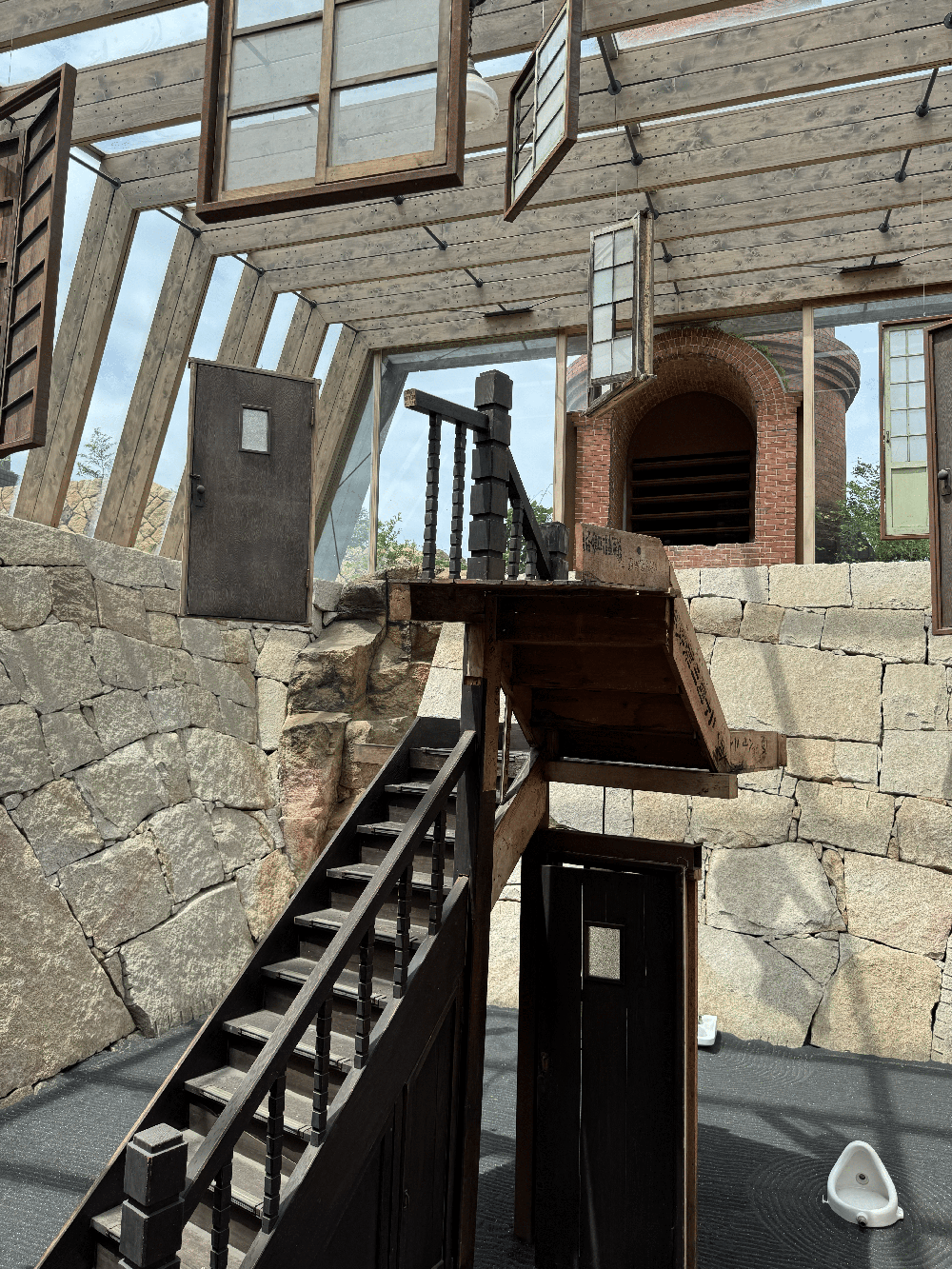
Beyond this, you encounter a towering arched wall adorned with old factory windows and doors from the bygone copper factory. Entering a smaller space through a historic doorway, visitors can view a striking artwork through a tiny window (roughly A4 size), revealing outdoor remnants of a house: hanging doors, windows, stairs, and even a urinal.
This space’s glass ceiling fills it with bright natural light, contrasting sharply with the darker interior. It’s a contemplative spot that combines history and contemporary art.
The Glasshouse
One of the museum’s most captivating spaces is a converted glasshouse within the factory’s brick structure. It features a poignant installation that exemplifies the mix of raw industrial aesthetic and modern design.
The view of the brick walls juxtaposed with glass walls and ceilings, where visitors get a view of the outdoor greenery on one side and the sea on the other, creates a space that’s both melancholic and inspiring. The glass ceiling lets the sunlight in, the only source of light in the space. When the weather is gloomy, the ambience gets even more melancholic and mysterious.
The installation is based on Yukio Mishima’s critical writing about Japan’s process of modernization, which is a fitting reference to the history of the site: how the original building came about, and how it stopped serving its purpose over time.
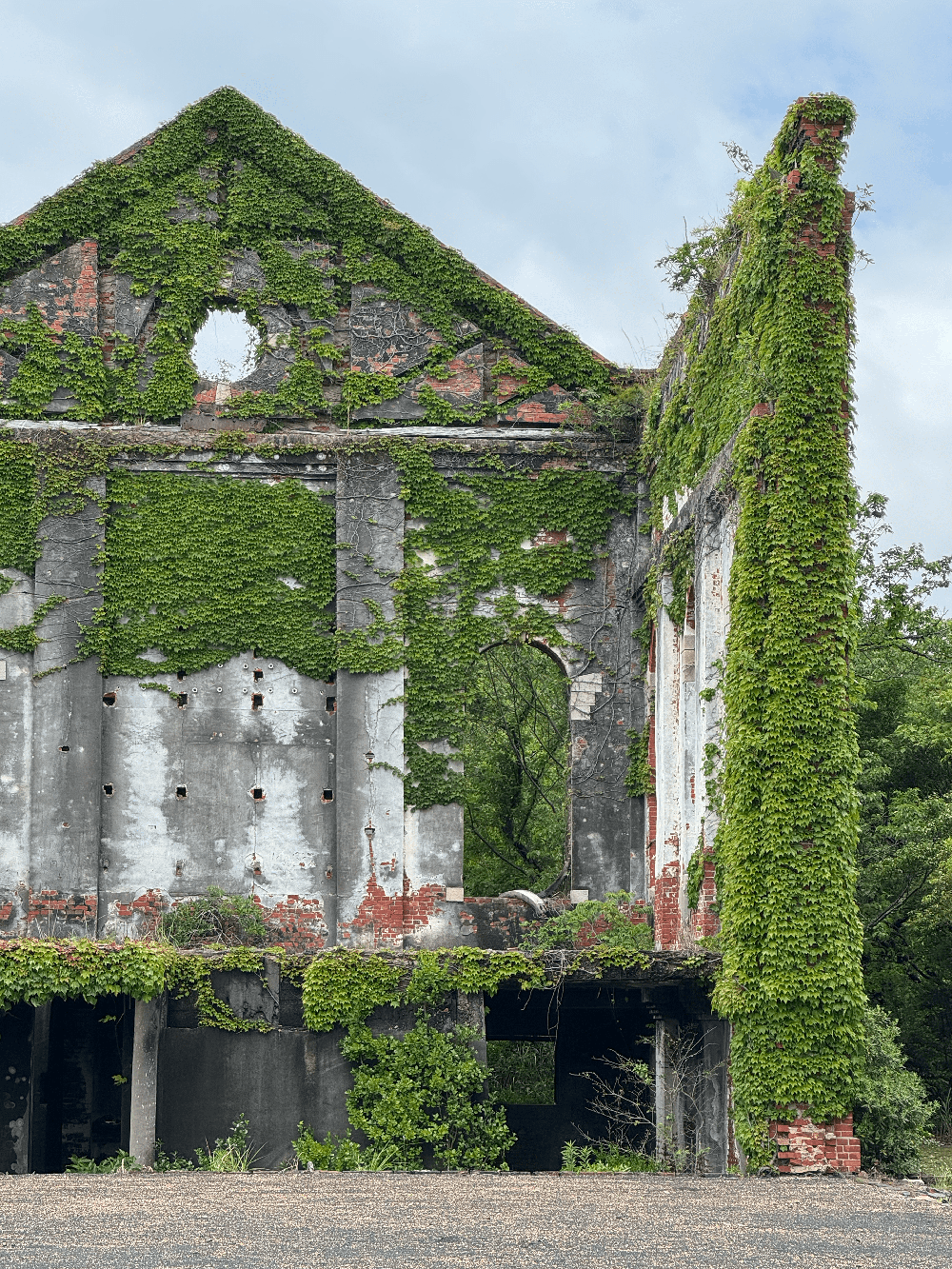
A hike through the ruins and back to the beach.
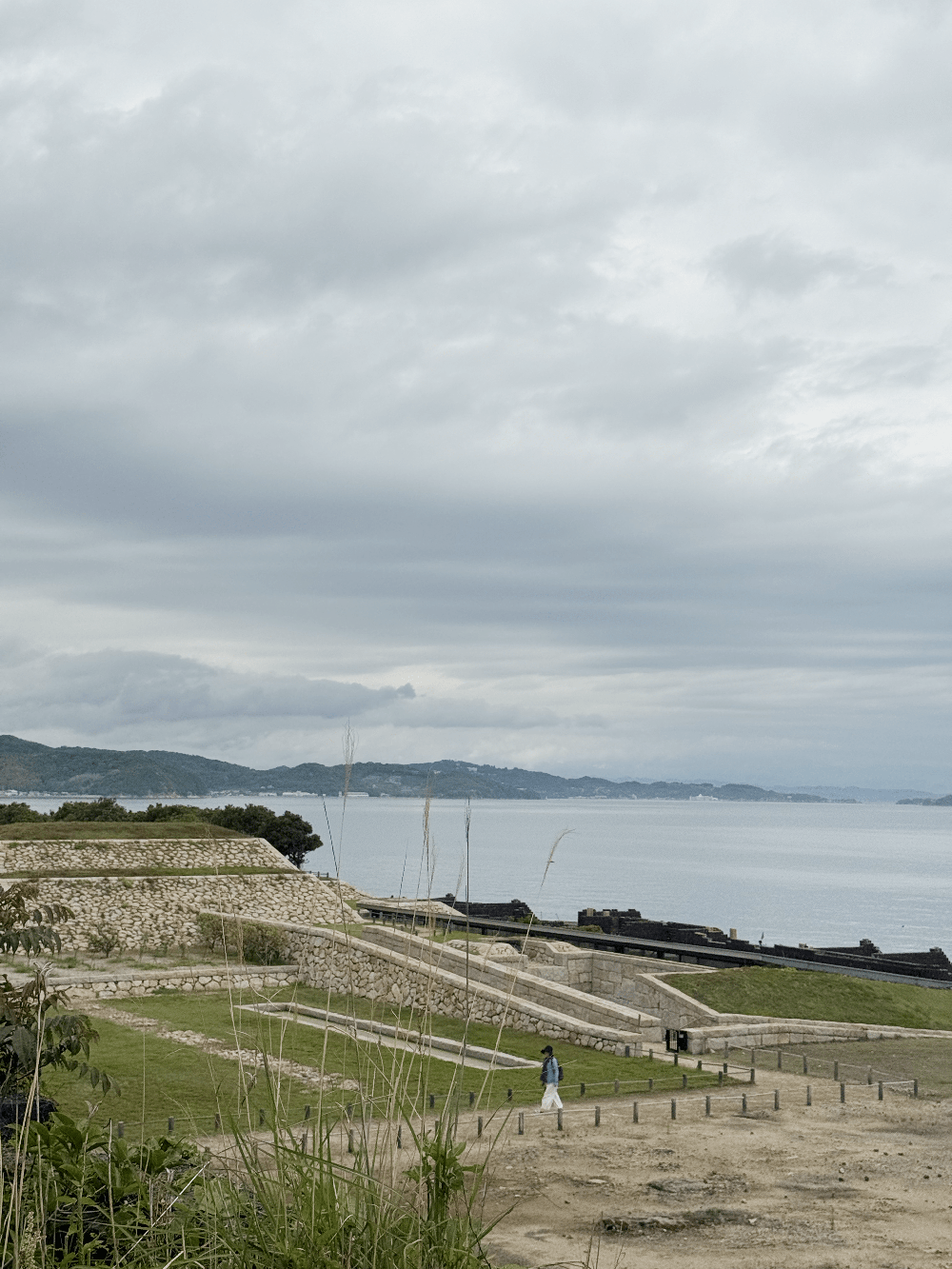
From the glasshouse, visitors can access the outdoor spaces and hike up to the hill behind the museum. This mini hike eventually leads visitors down the hill on the other side, where large remnants of the factories’ facades are preserved facing the sea. This is definitely a mini hike filled with nostalgia.
Once at the beach, visitors can then walk along the sea back to the museum and further to explore the rest of the island and Art Houses.
The Inujima Art Houses
Inujima has quite a lot of art houses and installations, second to Naoshima Island, despite its smaller scale and lack of crowds. Some of the art houses are a collaboration between an artist and an architect.
The architects reimagine the old houses, while the artists create site-specific art pieces based on the new architecture site. The result is an interesting blend of art, modern and traditional architecture.
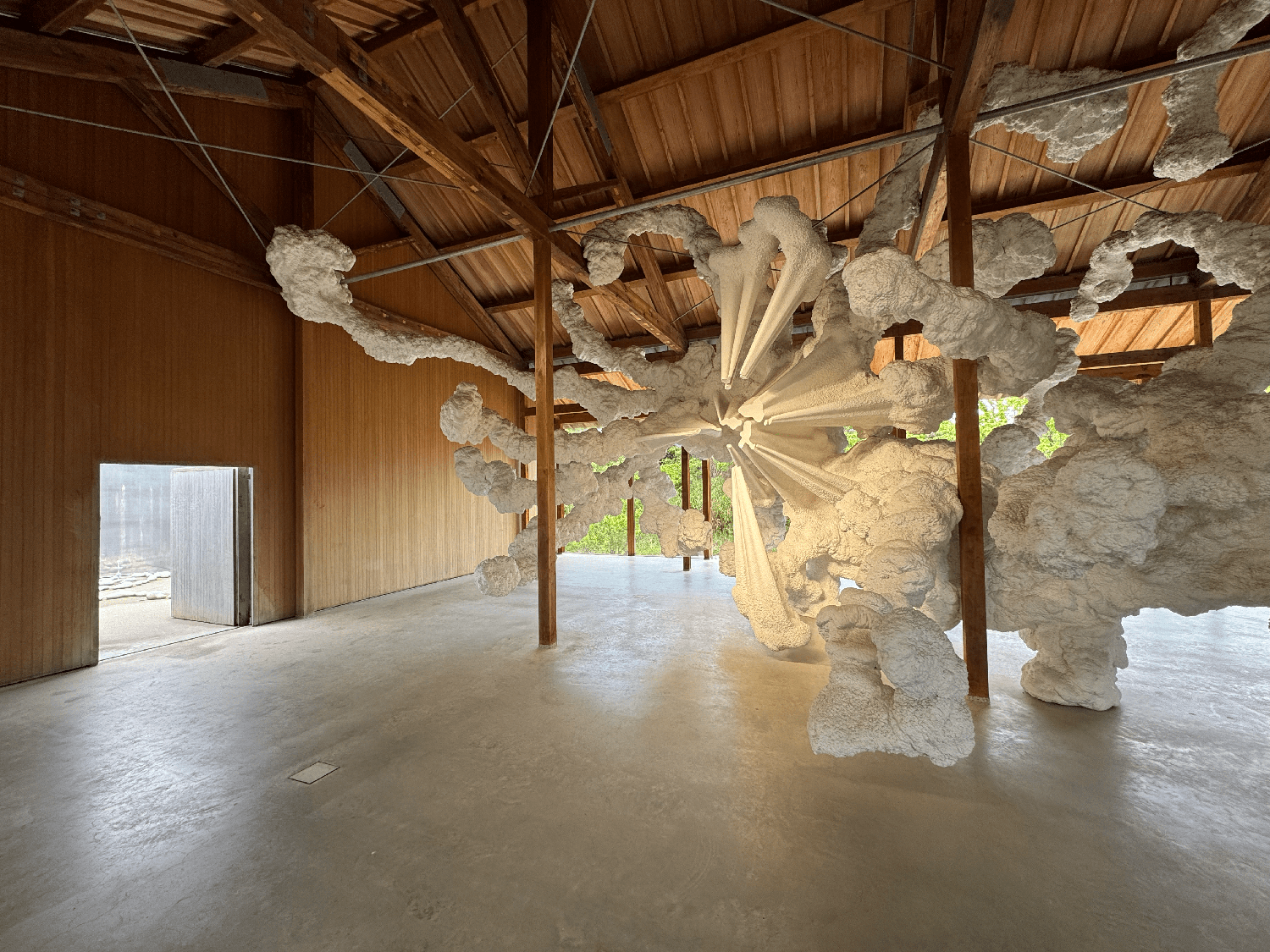
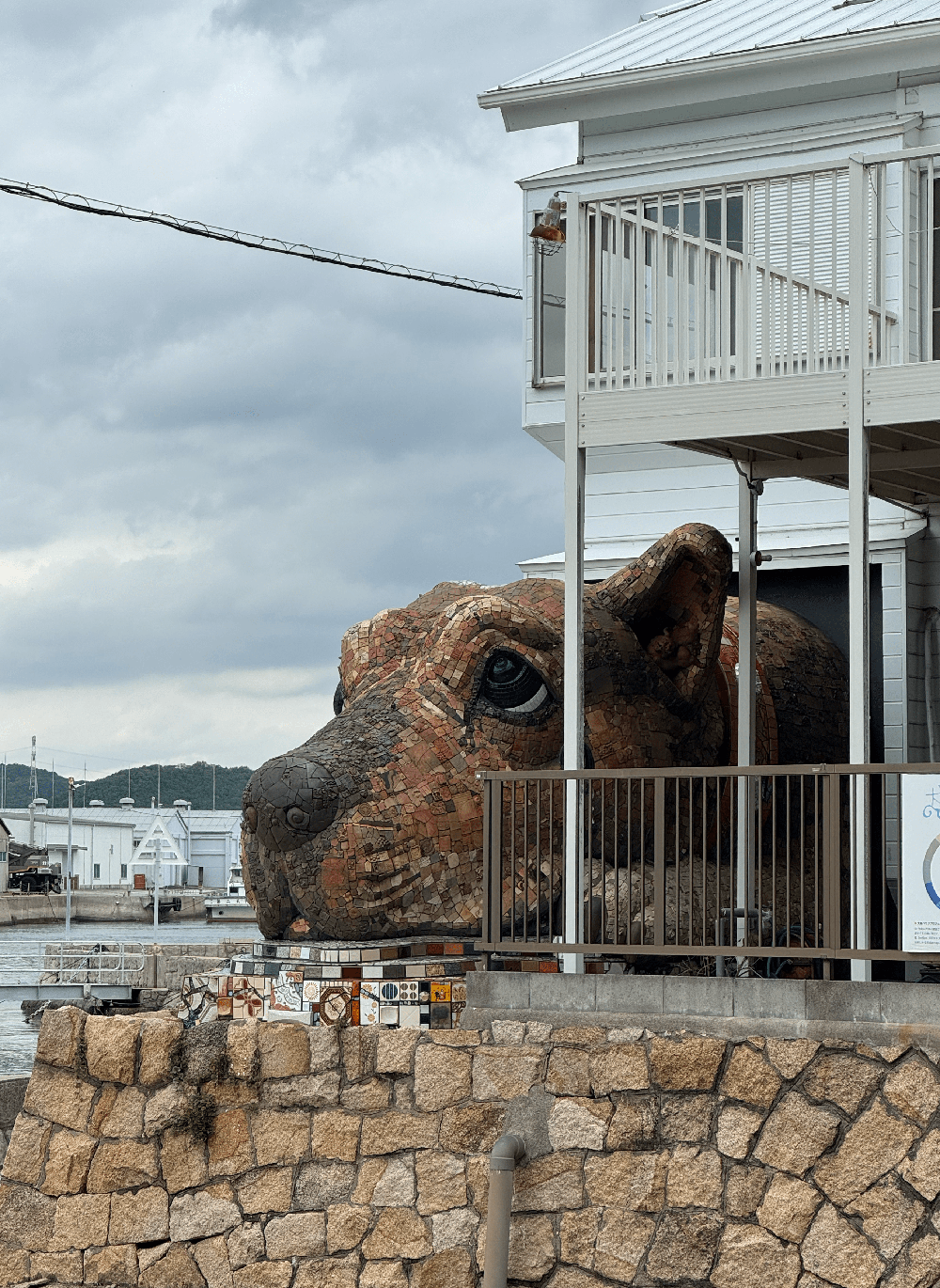
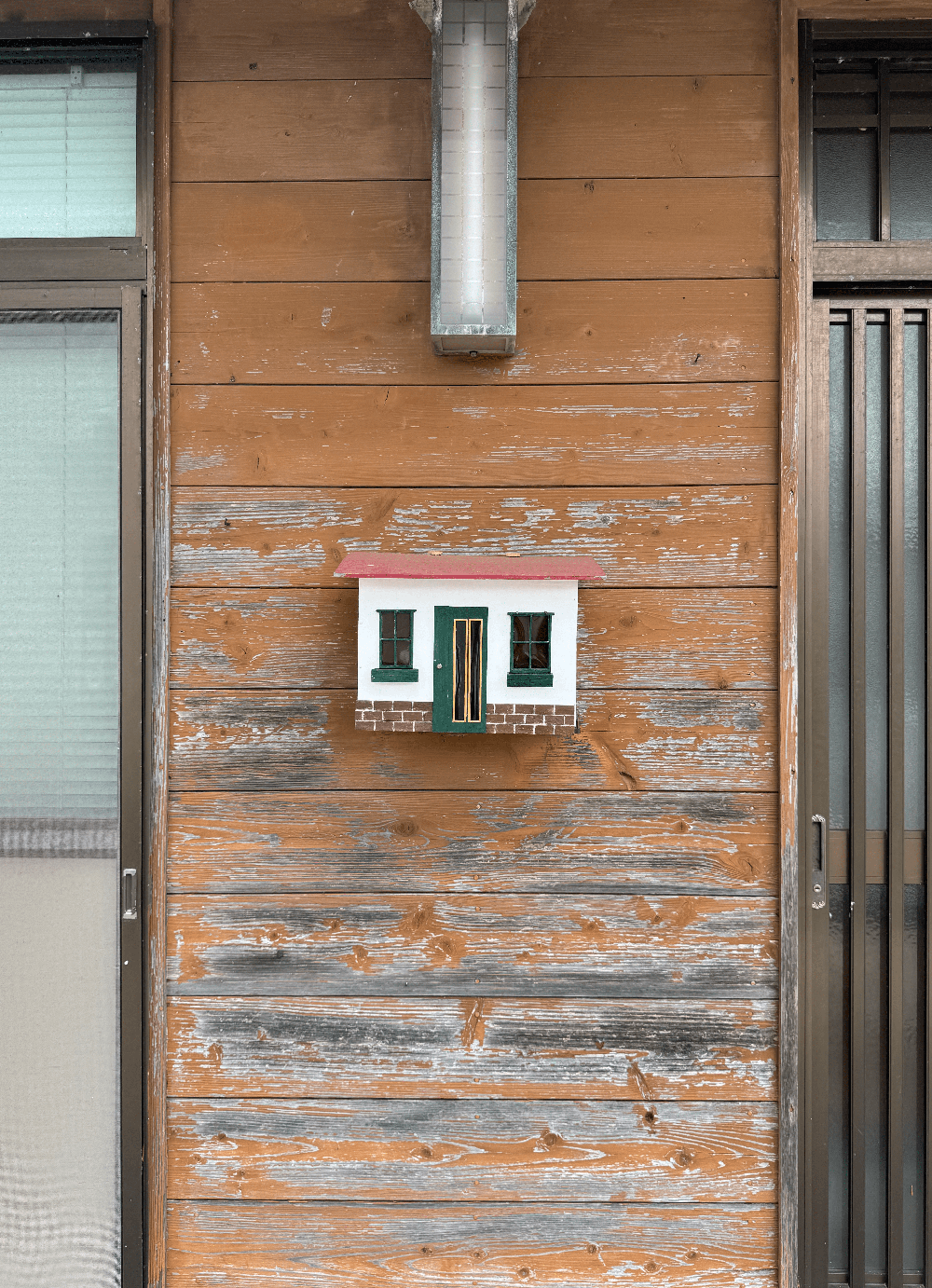
Below are images of some of the more memorable pieces for me.
Found this helpful? 📌 Pin the images above to save it for later and share the inspiration with others! ❤️